

In 2009 I began exploring my ideas of fighting through ink on newsprint, in the manner of Japanese sumi-e and Chinese shui-mo. Martial arts had primed an interest in Eastern mysticism, and that pointed me toward painting Japanese, Chinese and Indian idols. Three became prevalent: the twins Ungyo and Agyo, and the Acala, or Fudo-Myo-o. I saw the black ink as another way to understand something I could not quite see. This time it was the contours that showed, not the medium.
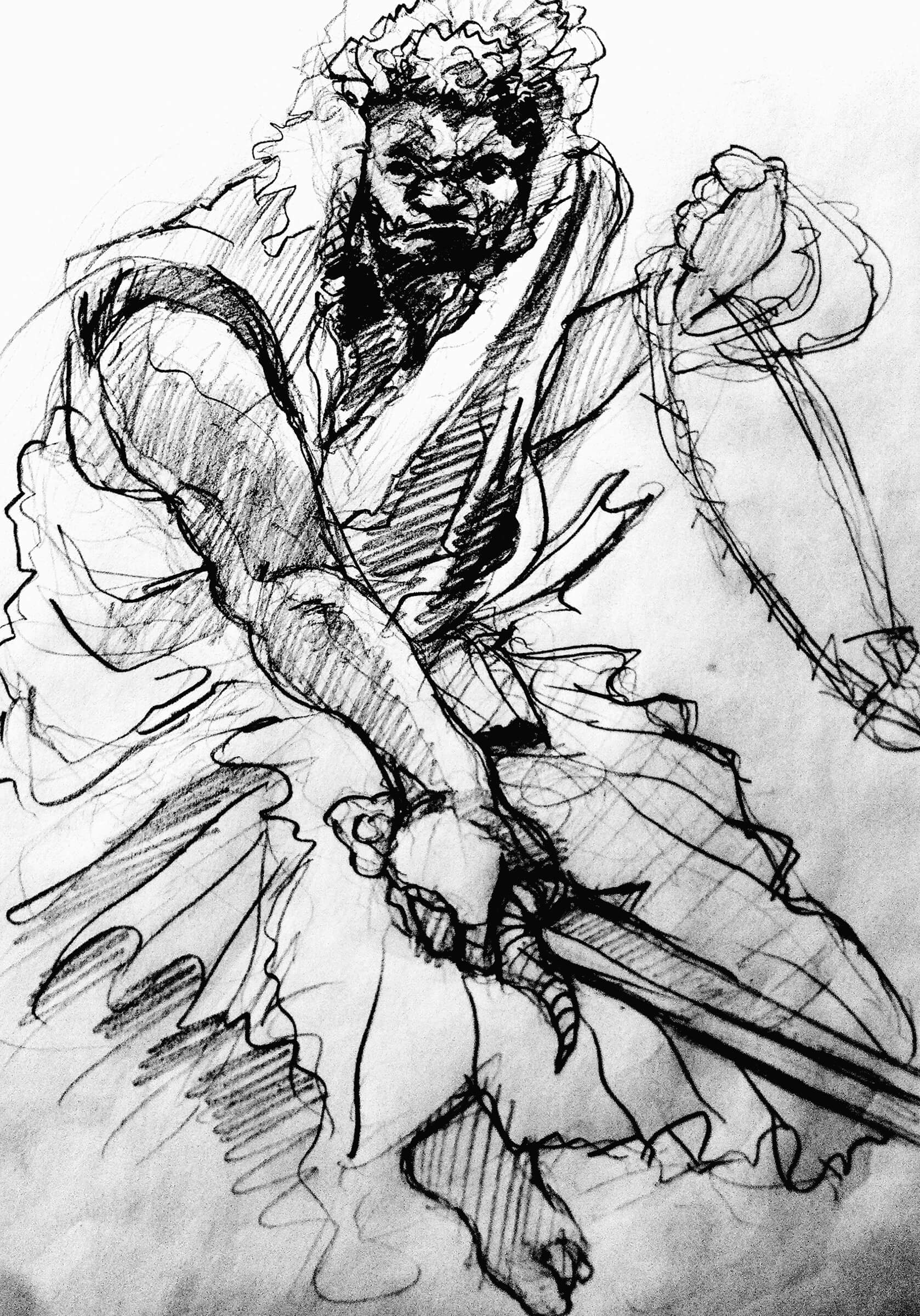
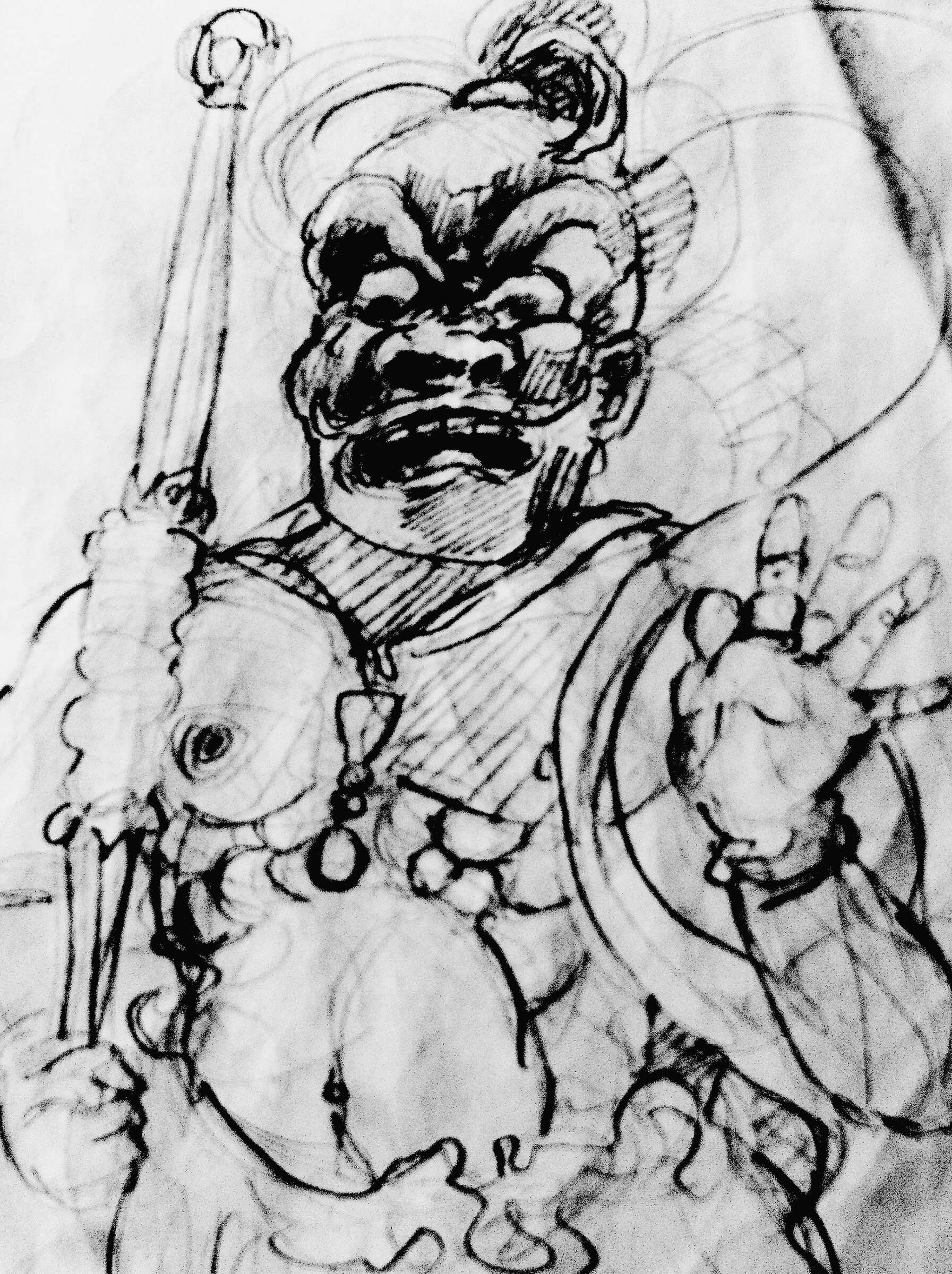
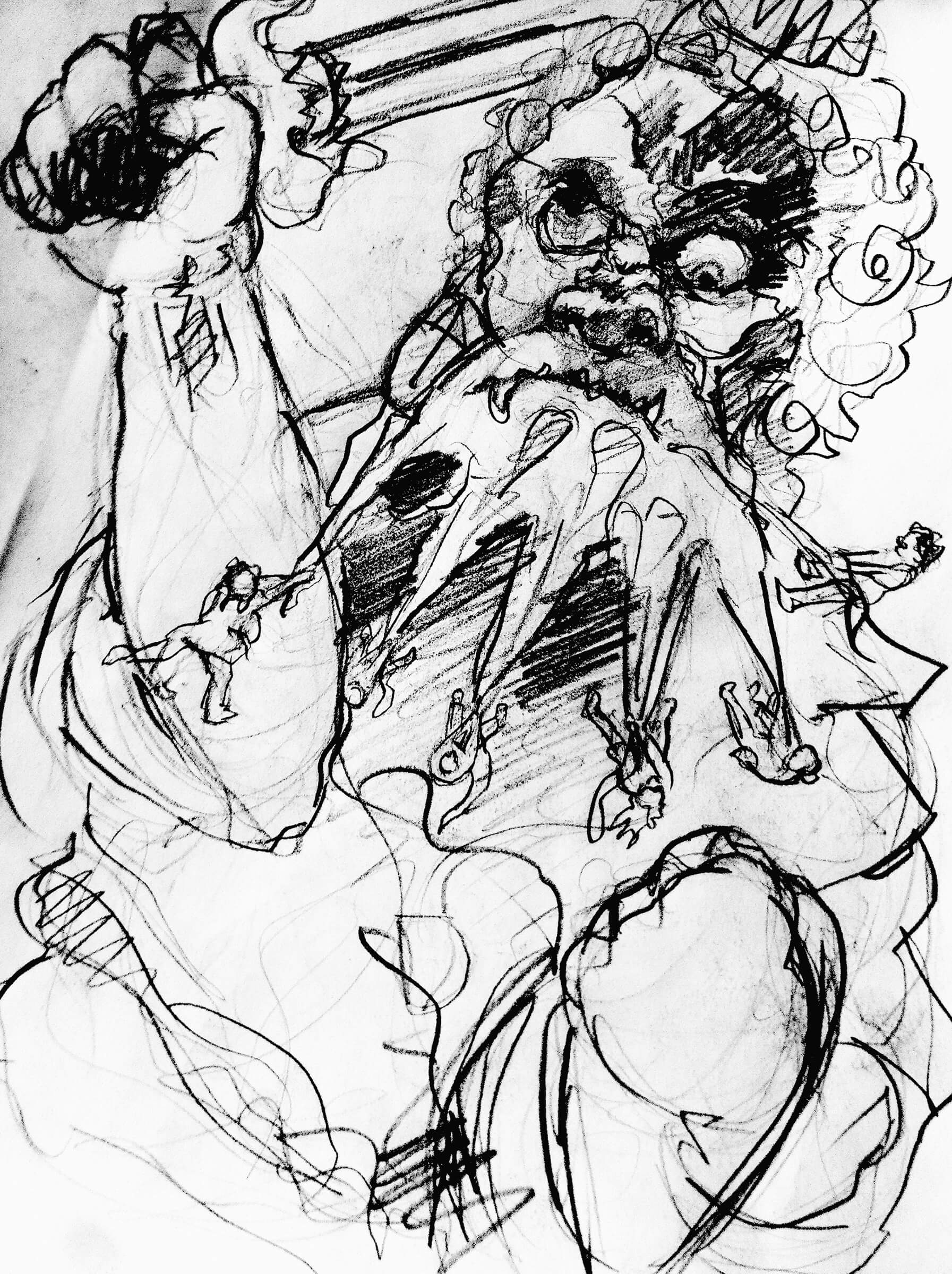
Charcoal on newsprint, 2016. Left to right: Fudo Myo Sketch 01, Agyo Sketch 01, Ungyo Sketch 01.
The ink period changed the direction of my work, and the reason was in how the figures were drawn. The way Eastern theology depicted their gods as ugly and tortured, often standing in the winds of adversity or in the flames of karmic purpose, as though the price of liberating the wisdom to see beyond it is in the strength to endure for another. The Eastern artistic aesthetic of good (balance) and evil (suffering) was a radical alternative to how I had been taught to see these polarities through the western aesthetic. Suffering and balance were not things to avoid or to harness. They are the dynamic underneath everything we experience together, and the harmony between them sits just out of view.
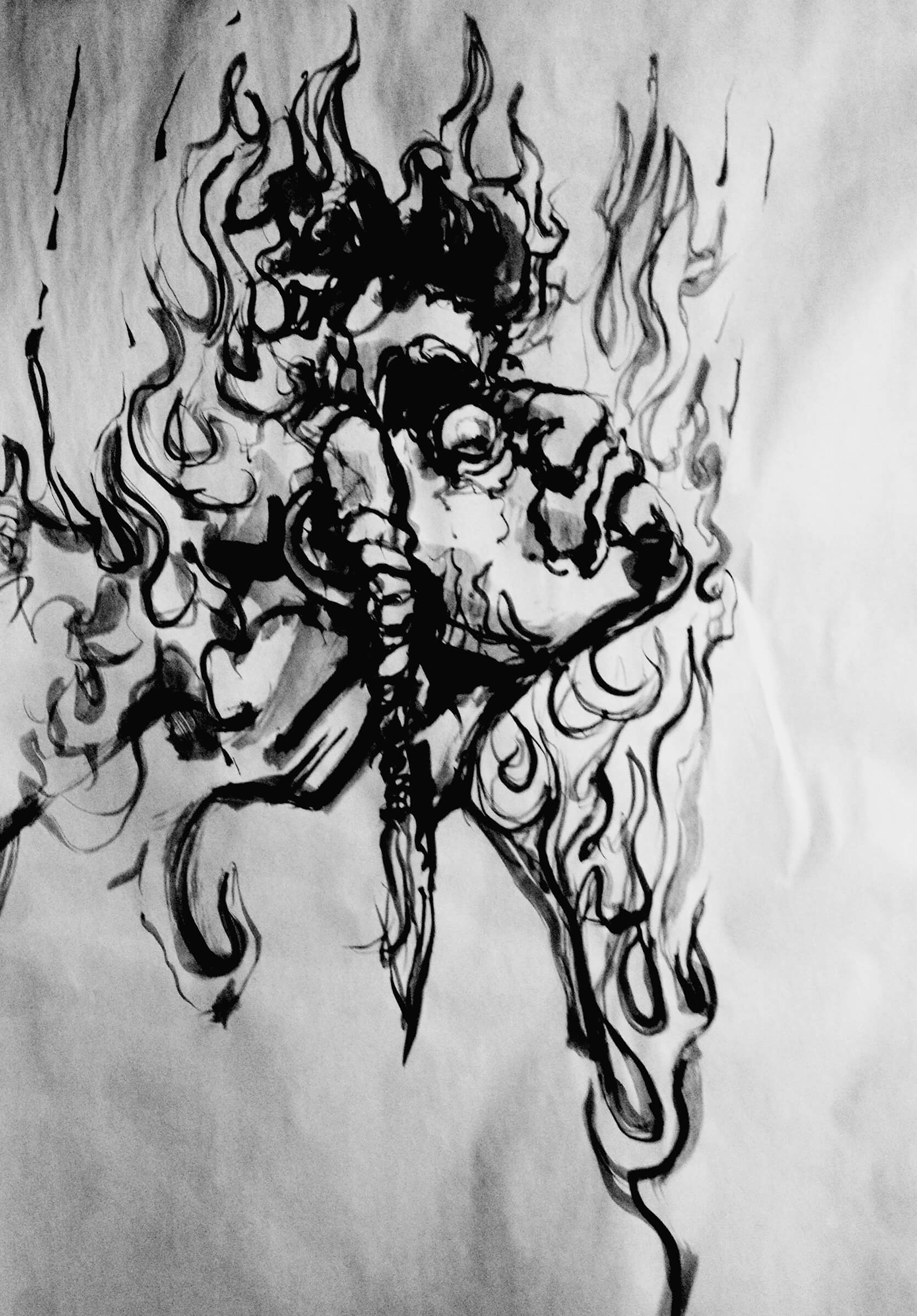
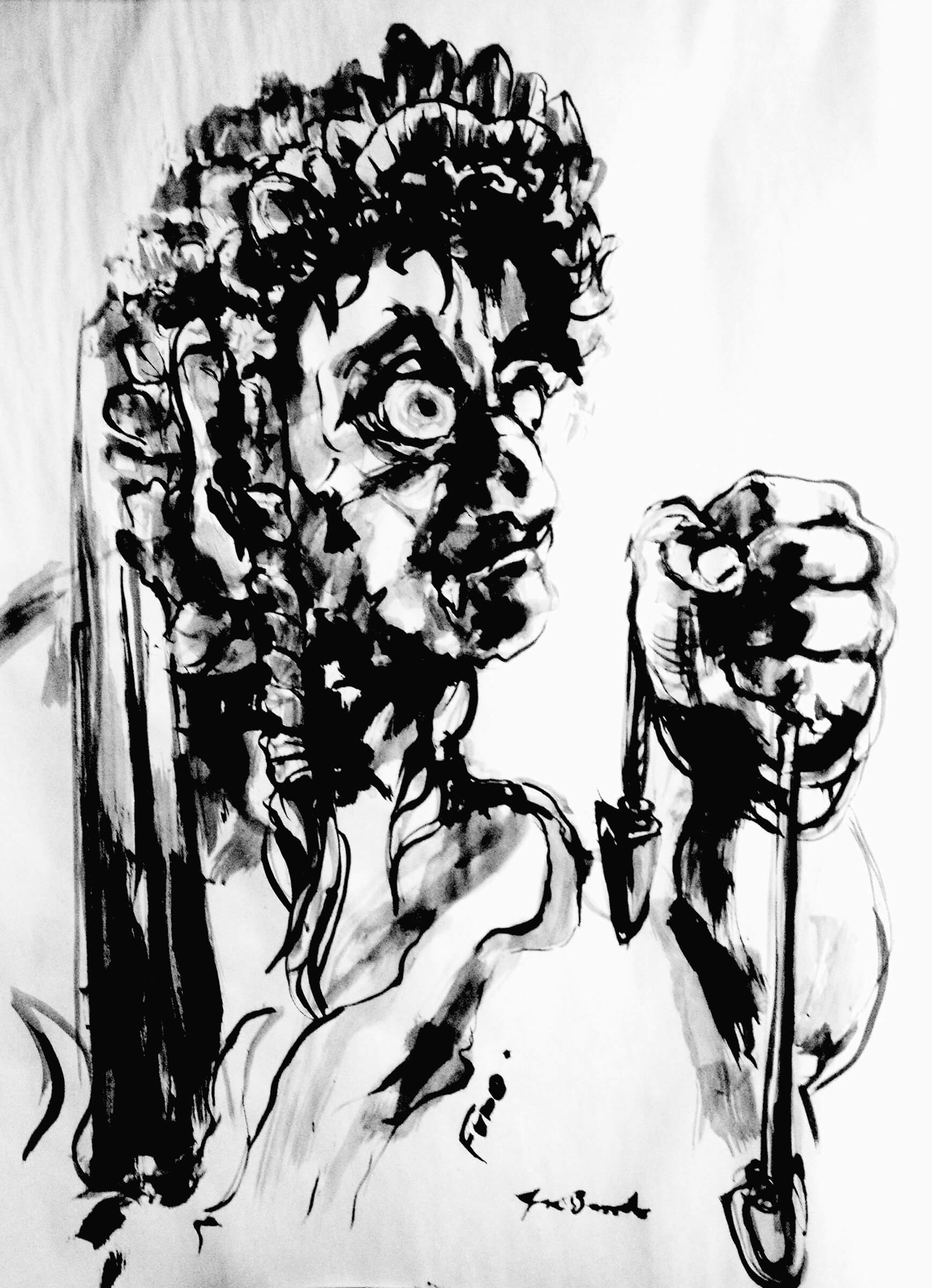
Ink on newsprint, 2016.
The Guardian or Wisdom Kings stand at the temple entrance, one with his mouth open purging destructive energy, the other with his mouth closed keeping it out, another looking outward as he looks in. It is a theme that became ever more evident in my martial arts studies, and in how a student becomes ever more acquainted with a destructive aspect of their nature and its worldly impact through repeatedly extending and retrieving it through and with another in an ever more refined manner they could not do alone.
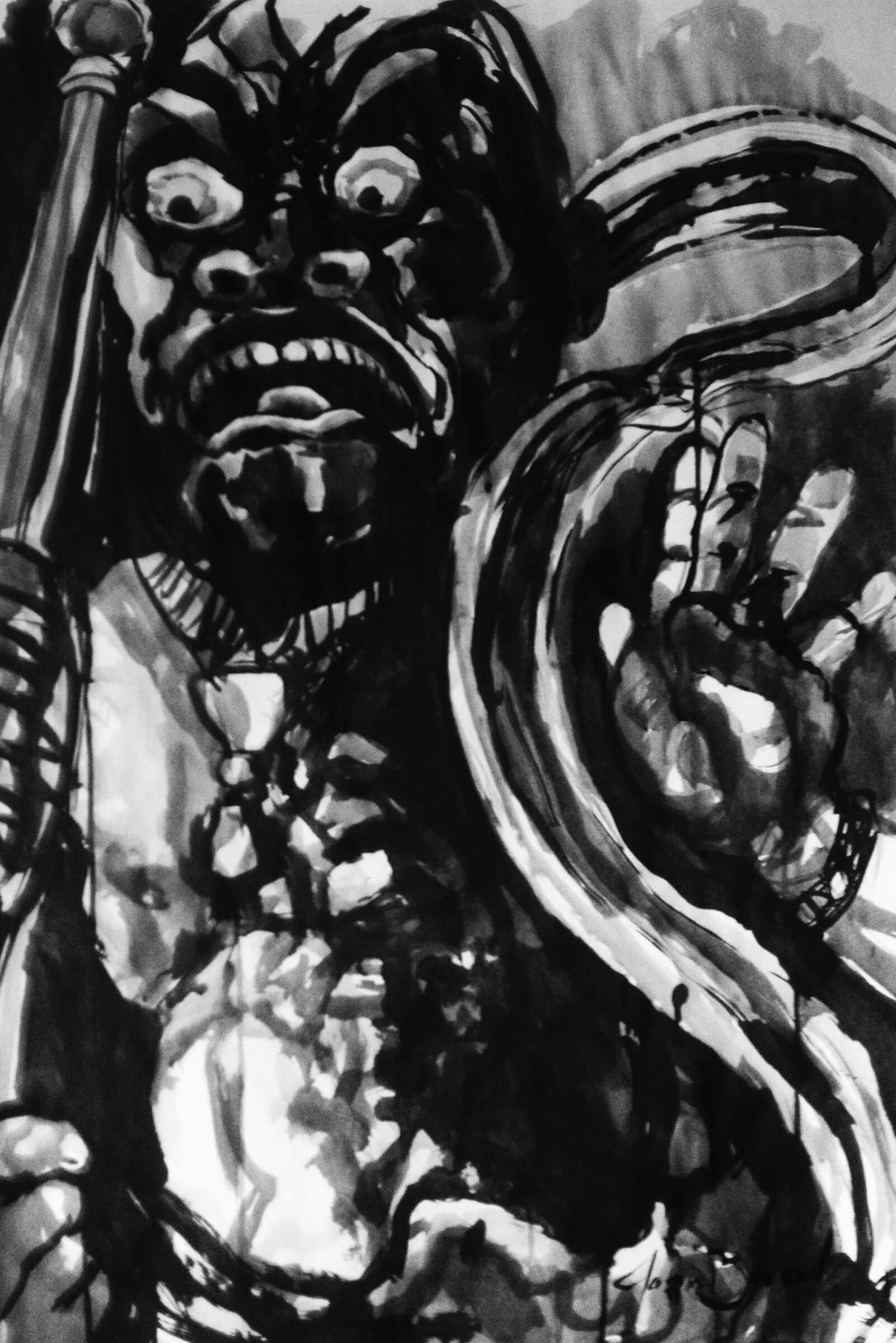
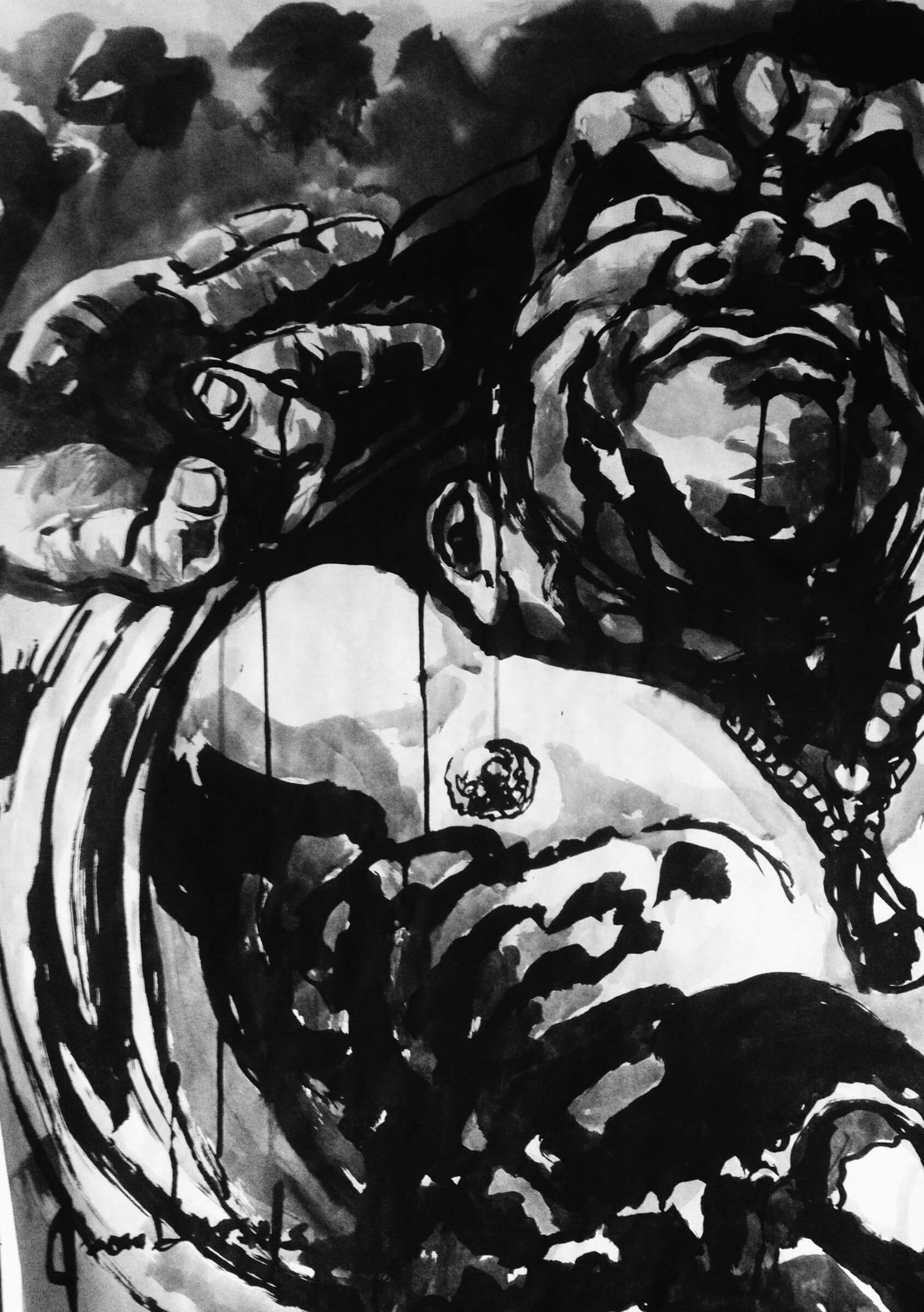
Ink on newsprint, 2015.
Painting the wisdom kings turned the human body into more than a temple. It became a destination we are all travelling toward while already being it. I began to see the temple as a body hosting a narrative that is most familiar and hardest to understand alone, like one hand trying to clap, unable to know its own nature without the friction of the other.
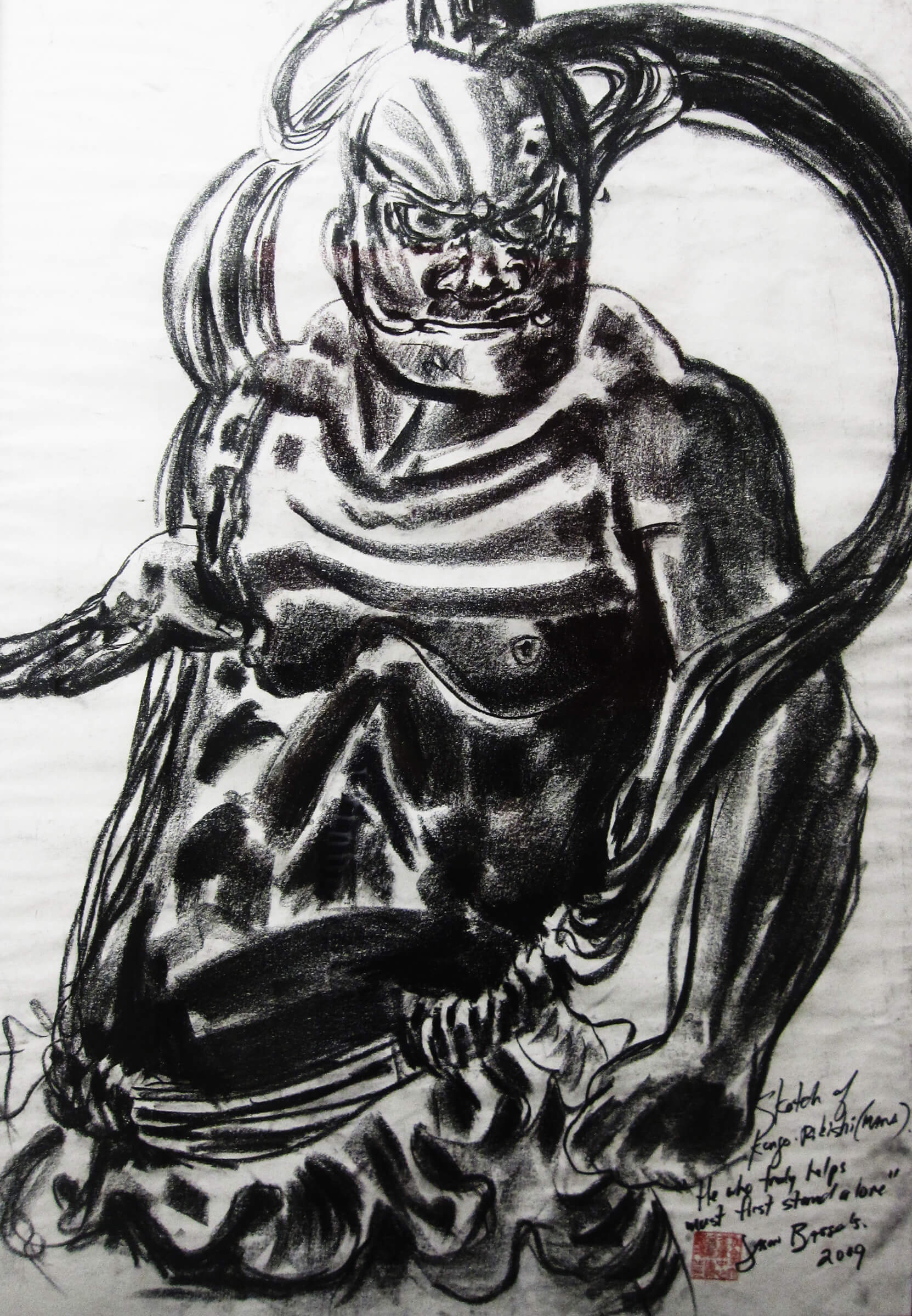

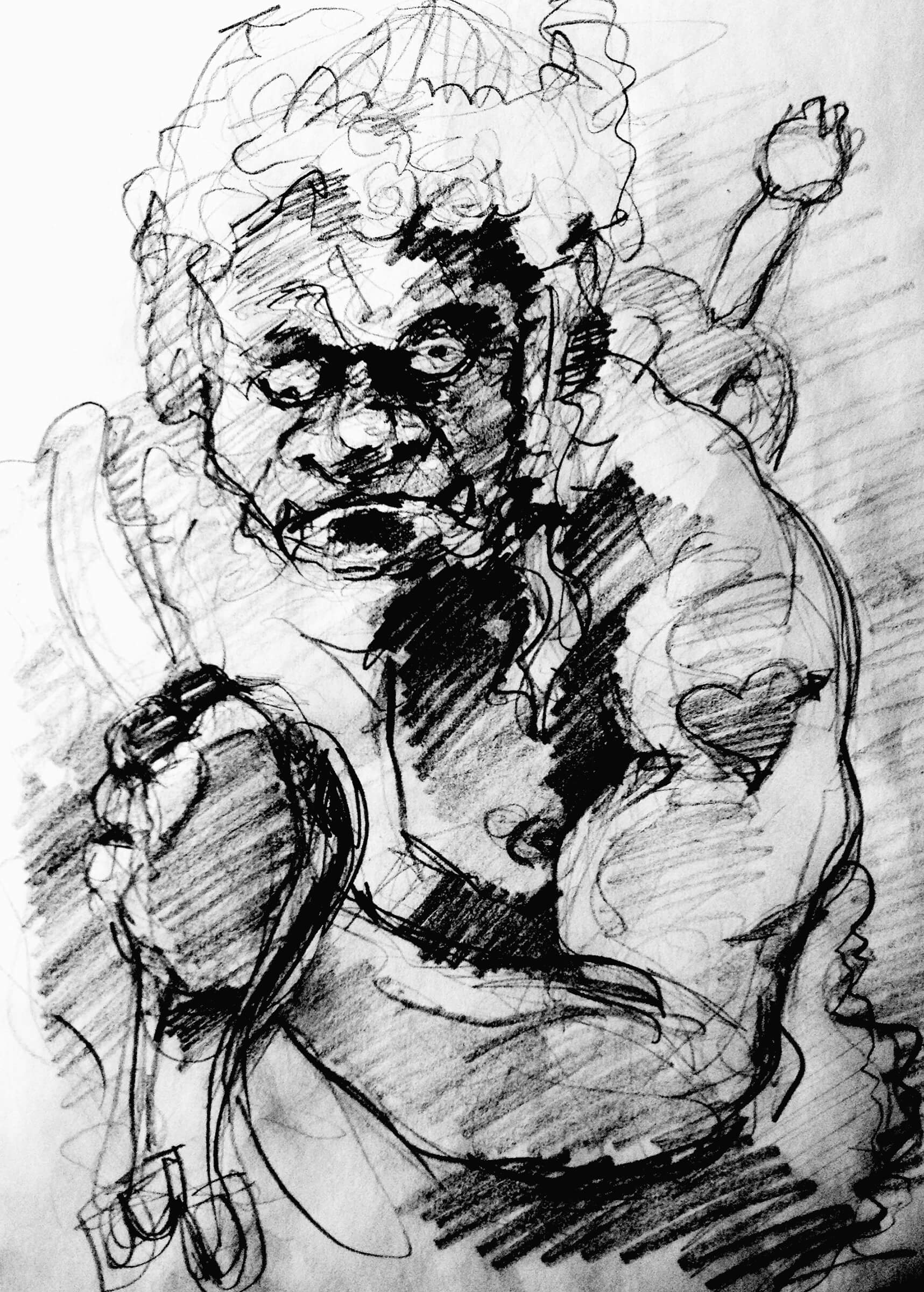
Charcoal on newsprint, 2009 and 2010.
The analogy of a student's path up the mountain to the temple became clearer as not something specific to martial arts, but something universal to being human. It is the trials we experience through each other that give the ever-changing path the substance upon which we step. Should we arrive at the gate that leads beyond the threshold of ourselves, our greatest test was not to have arrived, but rather to have been prepared to meet the guardians who stand guard there; a path that led to that very summit in ourselves upon which we travel through each other.
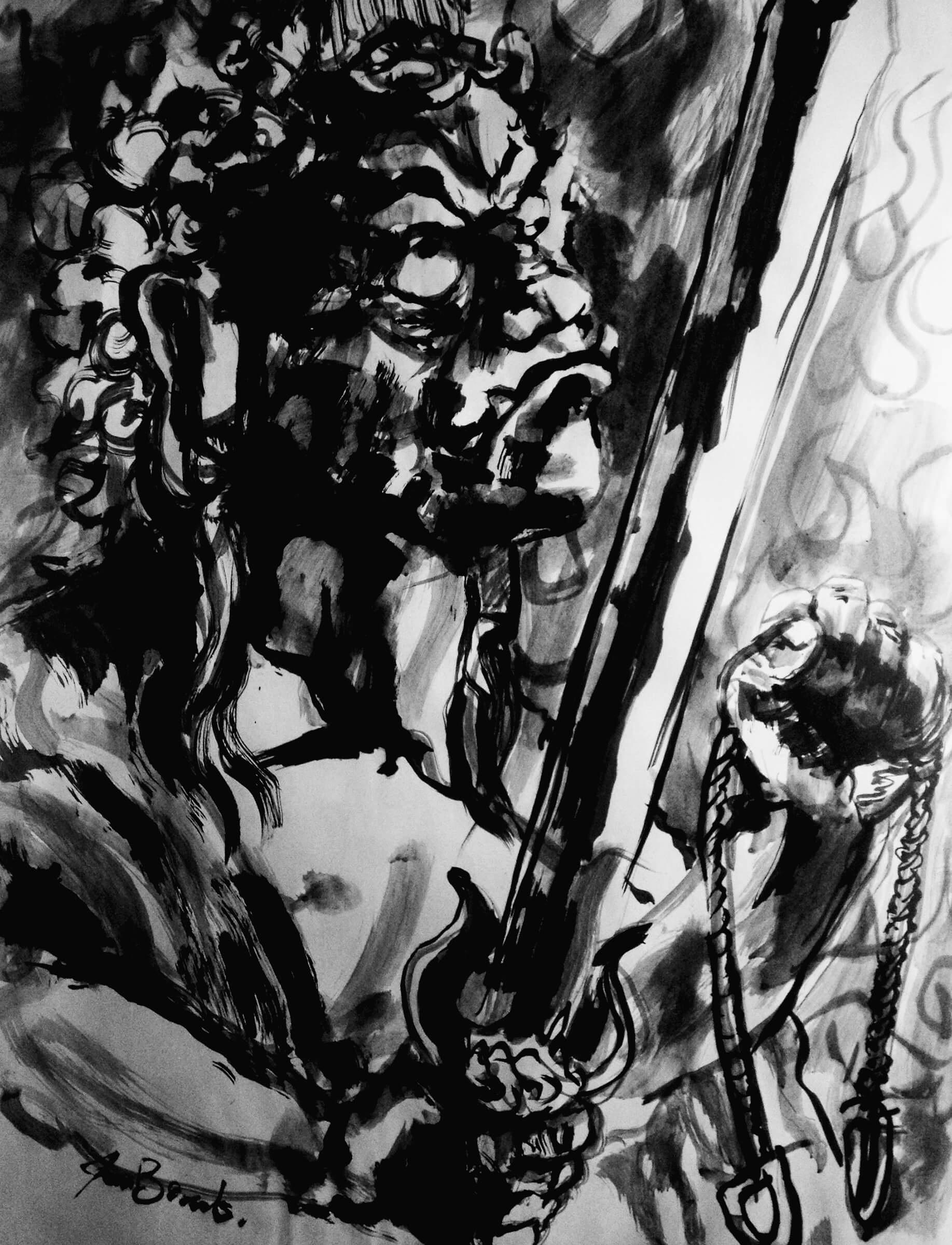
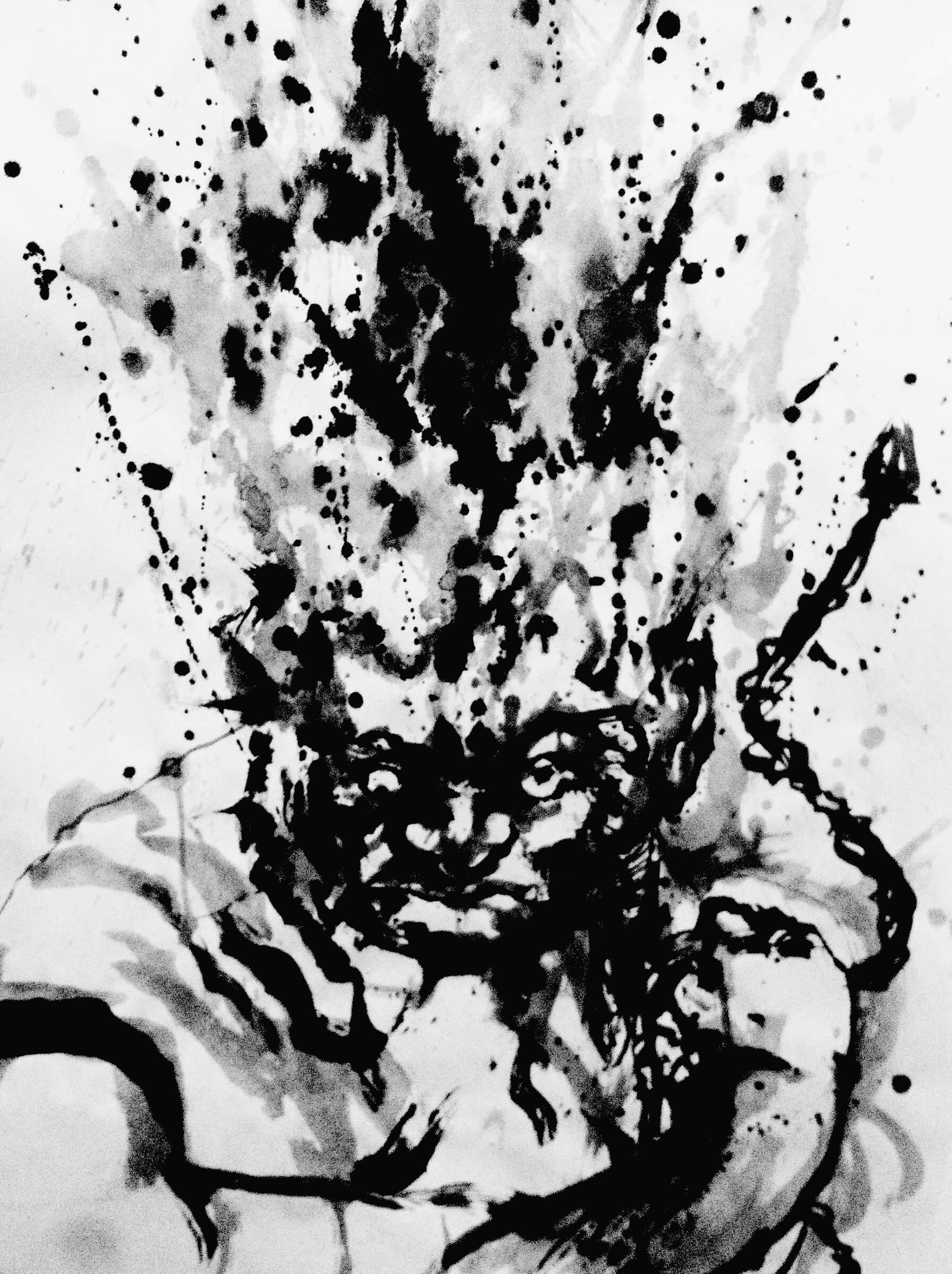
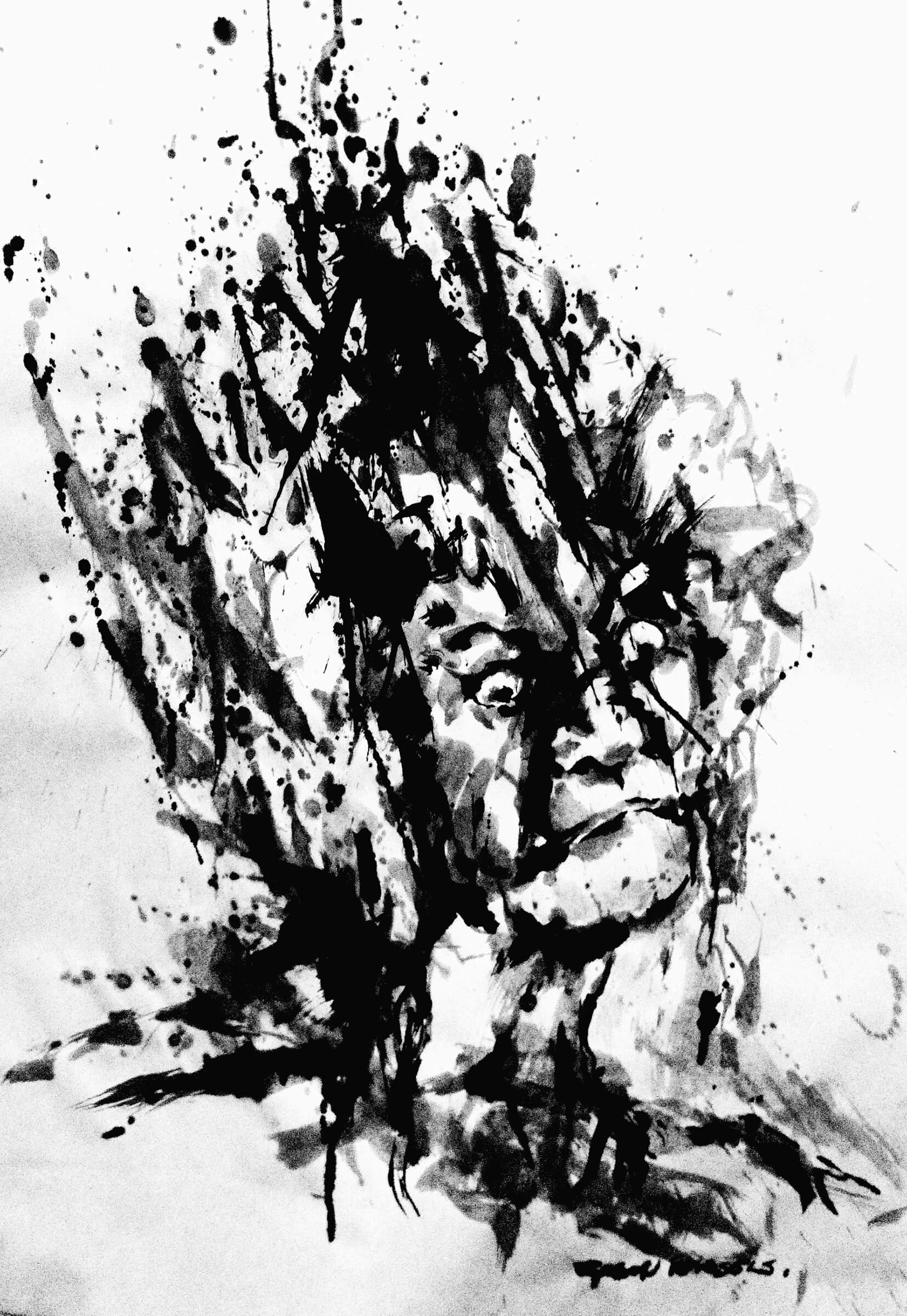
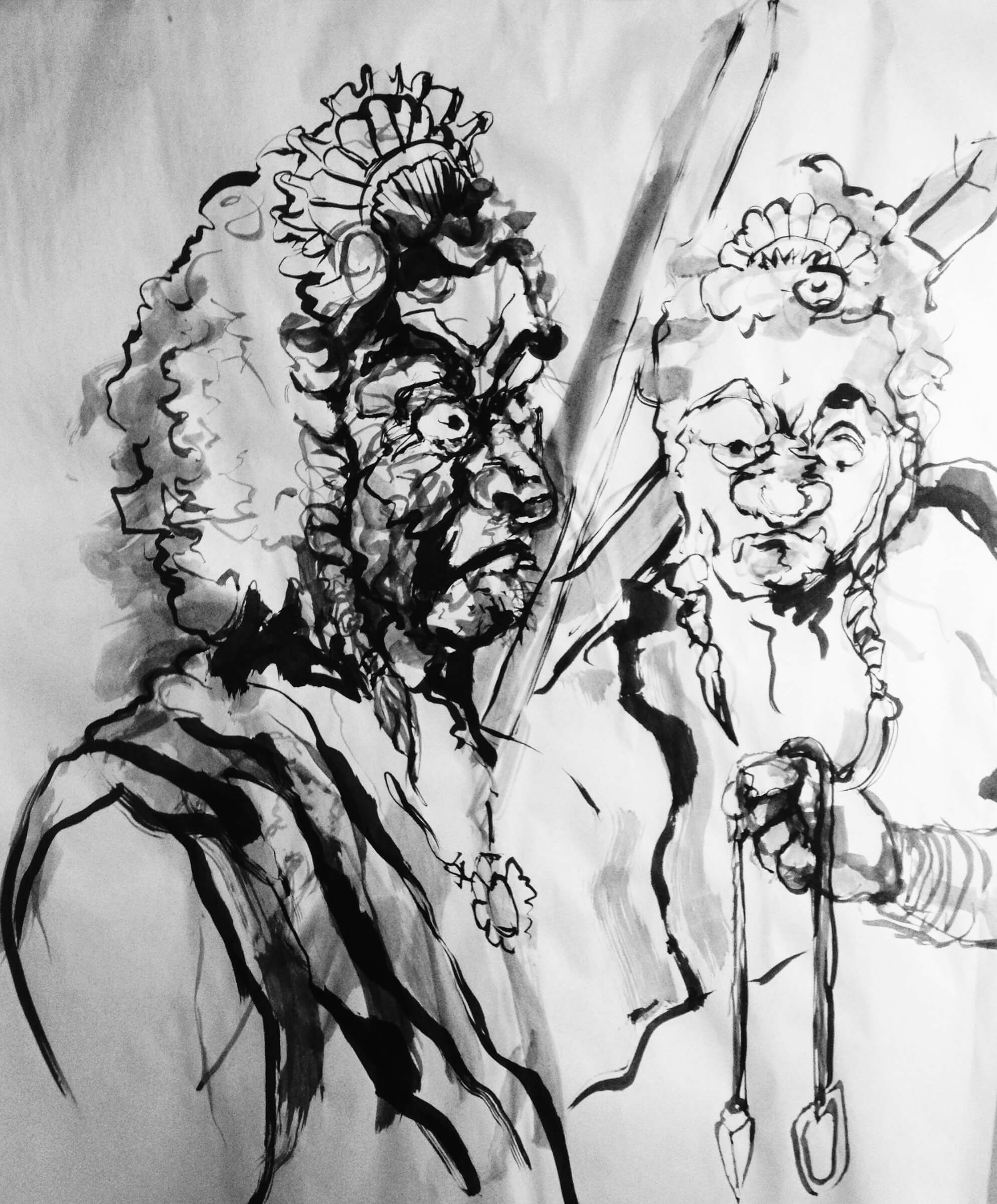
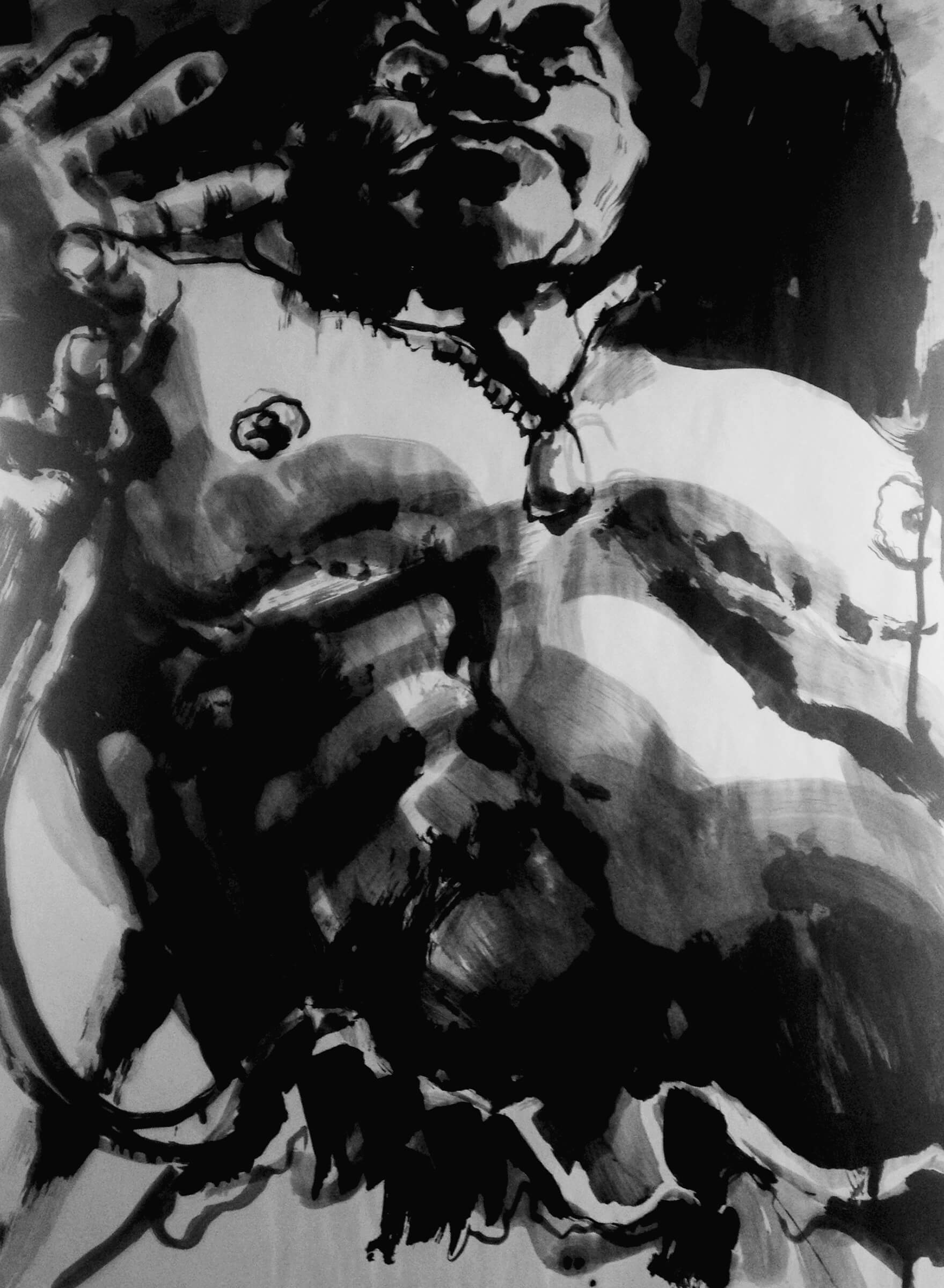
Ink on newsprint, 2015 to 2016.
It is this perspective that would eventually fuel the greater context of my work. It was here that I took my first step past the scope of martial arts I had been looking through for so long. What widened was the frame, not the subject. Fighting was never a metaphor I would move beyond; martial arts was only where I first noticed it, and it gave me the contours of something I could not yet see any other way. The guardians are where I learned what the gate costs the person who guards it.